When a non-conformity reaches a customer, urgency is legitimate: sort, isolate, replace. But once the customer has been helped, the risk is to consider the case closed. That is exactly what the 8D approach aims to avoid.
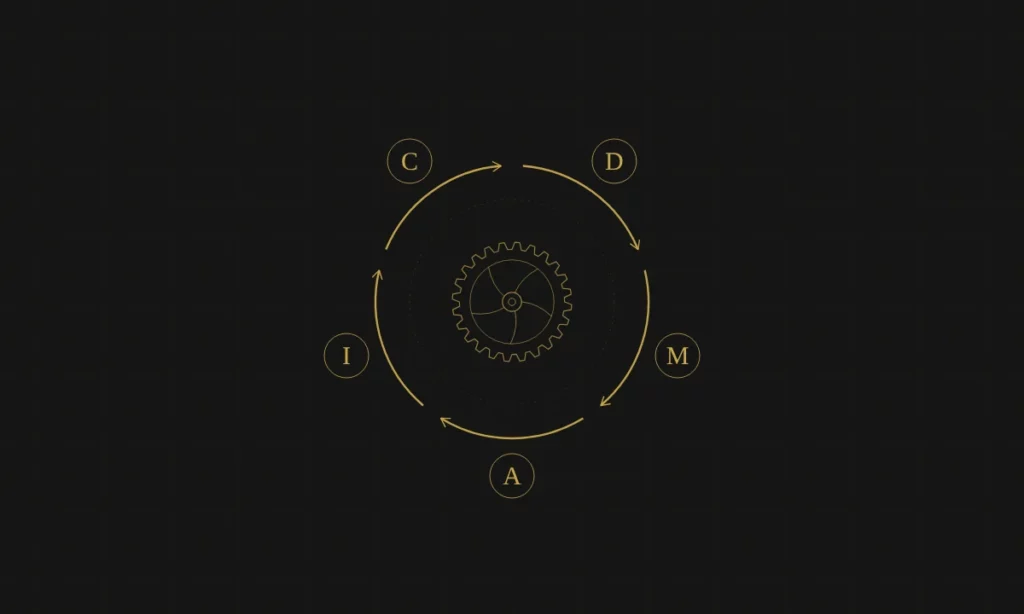
- D1 — Build the team
Bring together the functions involved and appoint a leader. - D2 — Describe the problem
Specify the defect, the scope and the measured facts. - D3 — Protect the customer
Isolate and contain the risk, then check that the protection works. - D4 — Prove the causes
Understand why the defect occurs, and why it escaped inspection. - D5 — Choose and verify
Test lasting corrections before deploying them. - D6 — Deploy and validate
Apply the corrections and measure their effectiveness. - D7 — Prevent recurrence
Update the standards and review similar processes. - D8 — Close and recognise
Capture the lessons learned and recognise the team’s work.
Two causes, not one
Discipline D4 is often underestimated. It requires finding two causes: the one that created the defect, and the one that let it through. Treating only the first leaves the inspection system as fragile as before.
D3 protects today. The full approach prevents recurrence.
Finally, D7 and D8 make the difference between a company that corrects and a company that learns. Extending the correction to similar processes and recognising the team’s work builds a culture where problems are dealt with rather than hidden.
Key takeaways
- Helping the customer is only the third step out of eight.
- Look for the cause of occurrence and the cause of non-detection.
- Capture and recognise so the approach becomes a reflex.